Four Animals That Get Intoxicated (And What Parents Can Learn From Them)
It may surprise kids (and even adults!) to learn that humans aren’t the only species curious about substances. In nature, several animals intentionally or accidentally become intoxicated—and their behavior can be both fascinating and funny to watch. But these examples also provide an unexpected teaching moment for parents: even animals are influenced by curiosity, risk-taking, and social behavior.
Talking about intoxicated animals offers a fun, lighthearted way to introduce conversations about decision-making, safety, and healthy choices—without turning the moment into a heavy lecture.
Here are four animals known for getting a little “buzzed,” and how parents can use these stories to spark meaningful conversations.
1. Elephants and Fermented Fruit
In parts of Africa and India, elephants have been observed eating naturally fermented fruit from the marula tree. When the fruit ferments on the ground or in the sun, it produces alcohol—and elephants have been seen wobbling, swaying, and acting surprisingly giddy afterward.
Why it’s interesting for kids:
It’s funny to imagine such a giant, powerful animal acting silly because of fruit.
Parent lesson:
Curiosity exists across species—but elephants don’t understand consequences. This opens the door to talking about how humans have the ability to think ahead, stay safe, and make informed decisions.
2. Dolphins and Pufferfish
This one surprises almost everyone: some researchers believe dolphins gently play with pufferfish to release small amounts of the toxins they produce. In tiny doses, these toxins can cause disorientation—creating a trance-like or “high” state.
Why kids love it:
Dolphins already seem playful and mischievous, so this behavior fits their personality.
Parent lesson:
Animals often experiment without realizing the dangers. For humans, knowing risks ahead of time helps us avoid harm—a great way to spark a conversation about healthy boundaries.
3. Birds Eating Fermented Berries
From cedar waxwings to robins and starlings, many birds accidentally eat fermented berries, especially in colder climates where fruit spoils more quickly. This can cause birds to act dizzy, fly awkwardly, or even land on the wrong branches.
Why it captures attention:
Kids find it amusing to see tiny birds behaving in unexpected ways.
Parent lesson:
Even small choices can affect balance, coordination, and decision-making—just like substances affect the human brain.
4. Reindeer and Fly Agaric Mushrooms
Some reindeer have been observed eating a type of mushroom called Amanita muscaria—the iconic red mushroom with white spots (the same one seen in fairy tales). These mushrooms can cause unusual behavior such as jumping, weaving, or hyperactivity.
Why kids find it fascinating:
It feels like something out of a storybook—magical mushrooms and silly reindeer antics.
Parent lesson:
Nature is full of temptations, but not everything that seems interesting or exciting is safe. This analogy helps kids think critically about peer pressure and why some choices come with real consequences.
Using These Stories to Talk With Your Kids
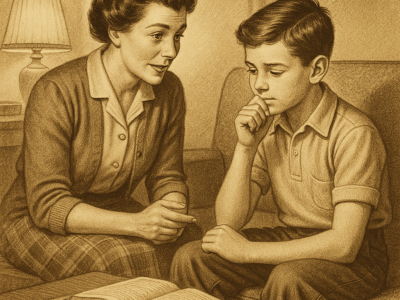
These examples can turn an ordinary car ride or dinner conversation into something fun and meaningful.
Try asking:
- “Why do you think animals do this if it’s risky?”
- “Do humans ever follow others without thinking?”
- “What helps you make good choices when you’re curious?”
When kids learn through humor and storytelling, they’re much more willing to engage—and far more likely to remember the conversation later.