
IntroduCTION
Teen vaping education has become one of the most urgent prevention needs facing families, schools, and communities. While often marketed as harmless or “just vapor,” most vaping products used by teens contain nicotine or high-potency THC—both of which can affect brain development, learning, and mental health. Because vaping devices are discreet, easy to hide, and widely normalized, many adults underestimate both their prevalence and impact.
This page provides a comprehensive, evidence-informed guide to help parents, educators, social workers, community leaders, and grandparents understand vaping trends, recognize early warning signs, communicate effectively with teens, and respond in ways that prioritize safety, connection, and long-term prevention.
Looking for something specific?
Use the links below to jump directly to the most relevant section.
- Parents: Warning signs, conversation starters, and how to respond
- Teachers: Classroom support, referral guidance, and prevention strategies
- Social Workers & Counselors: Early intervention, screening, and family support
- Community Groups: Prevention events, messaging, and engagement tools
- Grandparents: Supportive roles, boundaries, and family consistency
- Everyone: Teen brain development, myths vs. facts, and FAQs
Vaping Trends and What Adults Should Know
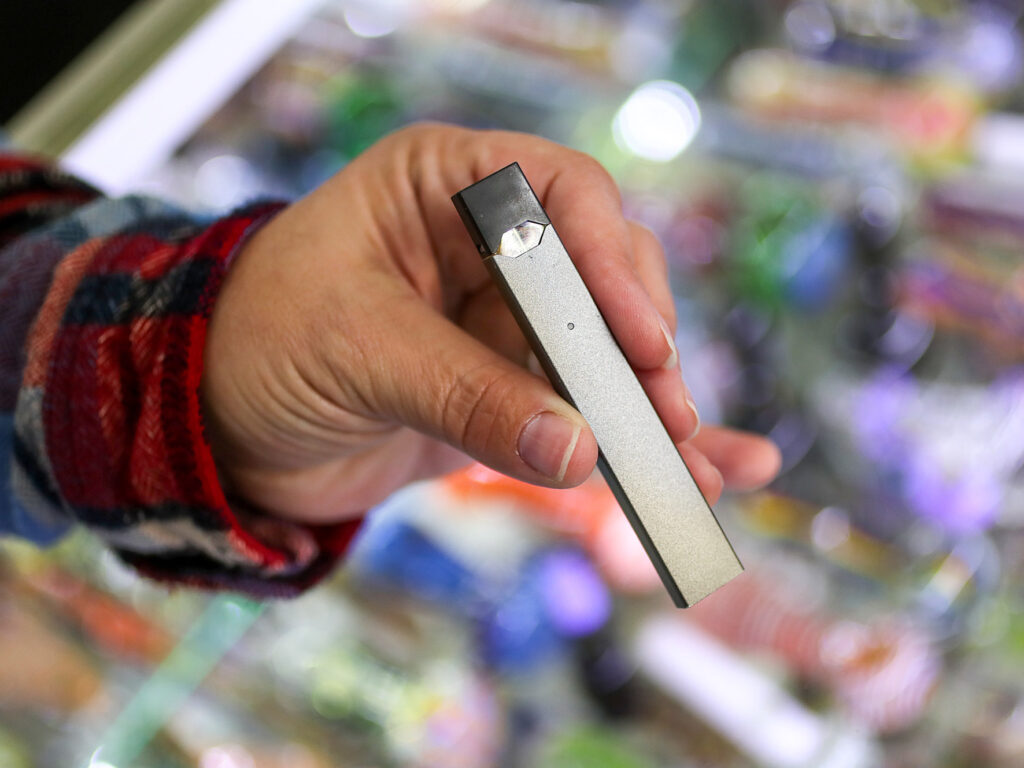
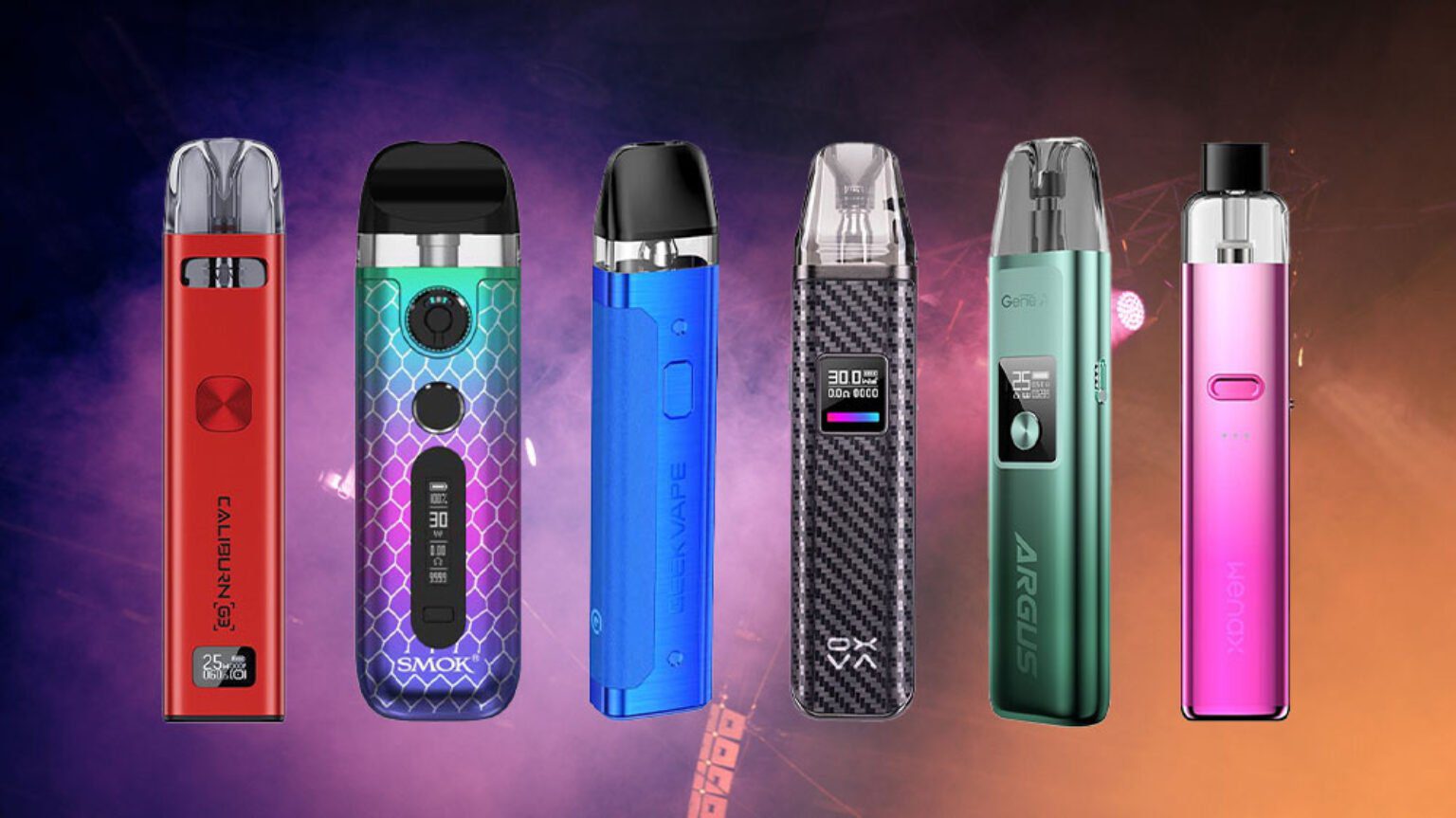
Vaping is one of the most common ways teens are exposed to nicotine and THC. Devices are small, often resemble USB drives, and are easy to conceal. Flavored products and social media marketing contribute to the perception that vaping is low-risk or harmless.
What Has Changed
- Nicotine concentrations are higher than in traditional cigarettes
- THC vapes can deliver very high doses quickly
- Devices are discreet and odor-light
- Social media normalizes experimentation
Why This Matters for Prevention
Effective teen vaping education requires adults to understand what products look like, how they are used, and why teens may underestimate their risks. Prevention is strongest when adults are informed, calm, and consistent.
Quick Takeaway Box
Vaping is not risk-free. Discreet devices and flavored products can make early use harder to detect.
Vaping and the Teen Brain
Adolescence is a period of rapid brain development marked by growth, learning, and increased sensitivity to rewards and social feedback. Understanding how the teen brain works helps adults frame expectations and interventions more effectively.
Adolescent Brain Development Basics
Teens are neurologically wired to seek novelty and rewards while their decision-making systems are still maturing. Nicotine and THC interact directly with these systems.
Why Timing Matters
Nicotine exposure during adolescence can affect attention, learning, and mood regulation. Early exposure increases the likelihood of dependence and ongoing use.
Protective Factors That Reduce Risk
- Strong adult relationships
- Clear expectations
- Consistent routines
- Healthy coping skills
Quick Takeaway Box
What Adults Can Do Today: Stay curious, talk early, and reinforce non-use as a healthy norm. Stay engaged and present. Ask questions before giving answers. Reinforce routines and structure. Model healthy coping strategies
Nicotine Vapes, THC Vapes, and Product Risks
Not all vaping products carry the same risks, but all pose concerns for teens.
Nicotine Vapes, THC Vapes, and Product Risks
Not all vaping products carry the same risks, but all pose concerns for teens.

Nicotine Vaping
Many vape pods contain as much nicotine as an entire pack of cigarettes. Nicotine is highly addictive and can affect mood, focus, and sleep.
THC Vaping
THC vapes deliver concentrated cannabis quickly. Because dosing is harder to control, teens may experience anxiety, panic, or impairment unexpectedly. Because vaping is easier to hide, teens may use more frequently without adult awareness.
Product “quick guide” box
- Nicotine vapes: High addiction risk, frequent use
- THC vapes: High potency, rapid onset
- Flavored pods: Increased appeal to youth
Mental Health and Vaping
Vaping and mental health concerns often overlap during adolescence.
Stress, Anxiety, and Vaping
Some teens report using marijuana to cope with stress or emotional discomfort. While this may provide temporary relief, it can interfere with the development of healthy coping skills.
When to Seek Additional Support
- Increased anxiety or mood swings
- Difficulty concentrating
- Withdrawal from activities
- Escalating use
When to Get Help
If vaping appears tied to emotional distress or daily functioning, professional support is recommended.
Warning Signs and Early Intervention
Early identification allows adults to respond before patterns become entrenched.
Common Indicators
- Sweet or unusual odors
- Increased secrecy
- Frequent bathroom breaks
- Irritability when unable to vape
Early Intervention Principles
- Focus on observations
- Avoid accusations
- Prioritize safety and support
Documentation Checklist
Track behavior changes, frequency, and context to guide conversations.
Conversation Starters and Communication Tips
How adults talk with teens matters as much as what they say.
Start with Curiosity
“What do kids say about vaping at school?”
“What do you think people get wrong about vaping?”
Effective Questions
- “Help me understand what you’re seeing among your friends.”
- “What do you think the downsides might be?”
- “How does this fit with your goals?”
Setting Boundaries
Clear expectations paired with consistent follow-through help teens feel secure, even when they disagree.
Conversation Script Box
“I’m not here to punish you. I want to understand what’s going on and figure out how to support you.”
How to Respond If a Teen Is Vaping
Responding thoughtfully can prevent escalation and build trust.
Step 1: Assess Safety
Address immediate concerns such as nicotine poisoning or impaired judgment.
Step 2: Understand the Pattern
Frequency, product type, and motivation matter.
Step 3: Create a Support Plan
Include family rules, school supports, and professional guidance if needed.
Step 4: Follow Up
Ongoing conversations build accountability and trust.
Do / Avoid Box
- Do: Stay calm, be specific, involve support
- Avoid: Lecturing, shaming, making threats
Audience Toolkits
Parent Guidance Toolkit
Parents play a central role in shaping norms and monitoring behavior. Effective guidance combines warmth with structure.
Key Actions
- Establish clear family expectations
- Monitor without invading privacy
- Address concerns early
Parent Quick Plan
Observe → Ask → Set expectations → Follow up → Reinforce positives
Teacher and Classroom Support Toolkit
Teachers often notice early changes and can provide critical referrals.
Classroom Strategies
- Focus on behavior and learning, not diagnosis
- Use restorative approaches
- Collaborate with counselors and families
Classroom Do’s
Maintain consistency, document concerns, communicate professionally
Social Worker and Counselor Resources Toolkit
Support staff bridge prevention, intervention, and family engagement.
Best Practices
- Use brief, supportive interventions
- Engage families as partners
- Connect youth to appropriate services
Referral Readiness Checklist
Clear concerns, documented observations, family communication
Community Group Prevention Tools Toolkit
Community organizations reinforce consistent messages across environments.
Prevention Event Tips
- Focus on skills, not scare tactics
- Include youth voice
- Provide practical takeaways
Sample 60-Minute Event
Welcome → Key facts → Scenarios → Discussion → Resources
Grandparent Involvement and Family Support Toolkit
Grandparents can be powerful protective figures when aligned with caregivers.
Supportive Roles
- Reinforce family expectations
- Offer stability and listening
- Avoid undermining caregiver boundaries
Helpful Phrases
- “I care about your safety”
- “Your parents and I are on the same team”
- “You can always talk to me about anything.”
- “I’m here to support you, not judge you.”
- “Let’s figure this out together.”
- “You’re not alone in this — our family has your back.”
School and Community Prevention Strategies
Prevention is most effective when systems work together.
Core Prevention Themes
- Connection and belonging
- Clear norms
- Skill development
Prevention in Schools
- Transparent policies
- Compassionate responses
- Staff training
Community Prevention Events
- Accessible locations
- Consistent messaging
- Partnerships with schools and families
Prevention Strategy Menu
Mentoring, parent education, youth leadership, staff training
Legal Consequences for Youth
While laws vary by location, marijuana-related consequences can affect education, extracurricular involvement, and future opportunities.
Why This Matters
Understanding potential outcomes helps adults guide teens toward informed choices.
Questions to Ask Schools
How are incidents handled? What supports are available?
How to Support a Teen in Recovery
Recovery support focuses on stability, structure, and encouragement.
At Home
- Predictable routines
- Positive reinforcement
At School
- Reintegration planning
- Ongoing check-ins
Support Plan Components
Structure, connection, monitoring, encouragement
Vaping Myths vs. Facts
- Myth: “It’s just vapor.”
Fact: Most vapes deliver addictive nicotine or high-potency THC.
Myth: “Vaping is safer.”
Fact: High-potency THC increases impairment risks and makes dosing harder to control.
Myth: “Vaping helps me relax.”
Fact: Nicotine often increases anxiety over time.
Myth: “Everyone vapes.”
Fact: Many teens choose not to vape.
Myth: “Everyone my age is using it.”
Fact: Most teens do not use e-cigarettes regularly, and many choose not to use at all.
Myth: “I’m fine because I only use on weekends.”
Fact: Nicotine can still affect mood, sleep, and motivation beyond the day of use.
Myth: “You can’t get addicted to Nicotine.”
Fact: Nicotine is highly addictive. Adolescents can develop dependence quickly because their brains are still developing.
Myth: “It’s just flavored vapor — there’s no real harm.”
Fact: Most flavored vaping products contain nicotine or other chemicals that can affect lung health, brain development, and increase the risk of addiction.
Frequently Asked Questions
Q: What if my teen says vaping helps them relax or manage stress?
A: Acknowledge what they are experiencing while exploring healthier coping strategies. Nicotine may feel calming in the moment, but it can increase anxiety, irritability, and dependence over time. A healthcare or mental health professional can help assess underlying stressors and identify safer ways to manage emotions.
Q: How often does vaping become a concern for teens?
A: Frequency alone does not tell the whole story. Concern increases when vaping interferes with school performance, relationships, mood, sleep, or daily functioning. Because nicotine is highly addictive, even occasional use can quickly become habitual.
Q: Should I punish my teen for vaping?
A: Consequences should be reasonable, consistent, and focused on learning and safety rather than punishment alone. Approaches that combine clear expectations, accountability, and support are more effective than harsh or reactive responses.
Q: Can occasional vaping still affect learning or attention?
A: Yes. Nicotine affects attention, memory, and impulse control, especially during adolescence when the brain is still developing. Even intermittent use can disrupt focus and academic performance.
Q: What role do peers play in teen vaping?
A: Peer influence is significant during adolescence. Teens are more likely to experiment when vaping is normalized within their social circles. Strengthening refusal skills, confidence, and connection to positive peer activities can reduce this risk.
Evidence-Based Resources
Include family-friendly, educational resources and local community services to support ongoing learning and prevention.
- Evidence-Based & Family-Friendly Outbound Resources
Child Mind Institute
https://childmind.org
Clear, parent-friendly information on adolescent brain development, mental health, and substance use—excellent for families and educators.
Common Sense Media
https://www.commonsensemedia.org
Helpful guidance for parents on teen behavior, decision-making, peer pressure, and substance use conversations.
Very well Mind
https://www.verywellmind.com
Accessible, evidence-based articles on marijuana, anxiety, motivation, brain development, and mental health—easy to understand without jargon.
National Institute on Drug Abuse for Teens
https://teens.drugabuse.gov
Science-based, age-appropriate explanations of marijuana, THC potency, vaping, and brain development. Strong credibility for schools and grants.
Substance Abuse and Mental Health Services Administration
https://www.samhsa.gov
Authoritative prevention framework, early intervention guidance, and treatment locator tools—ideal for professionals and community programs.
Centers for Disease Control and Prevention
https://www.cdc.gov/marijuana
Clear public-health information on youth marijuana use, risk factors, and prevention strategies. Best used sparingly alongside family-friendly sources.
ConnectSafely
https://www.connectsafely.org
Useful context on social norms, peer influence, and digital behaviors that intersect with substance use conversations.
American Academy of Pediatrics
https://www.healthychildren.org
Trusted pediatric guidance on adolescent health, substance use, and parent-child communication.