Five After-School Activities for Elementary Students That Spark Meaningful Conversation
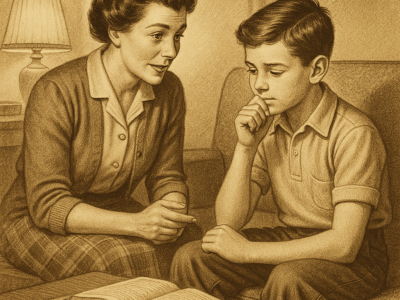
One of the most powerful ways to build connection with elementary-aged children is through simple, fun activities that naturally invite conversation. Kids don’t always open up when asked direct questions about their day—but they do talk when their hands are busy, their imagination is flowing, and they feel relaxed.
These five after-school activities are designed not only to engage young minds but also to create the perfect environment for parents, caregivers, or educators to have meaningful, low-pressure conversations with kids. Each activity opens the door for curiosity, storytelling, and emotional expression—all while keeping things fun and age-appropriate.
1. Build-Your-Own Snack Creations
Whether it’s fruit kabobs, mini sandwiches, or “create-your-own trail mix,” food preparation is a natural conversation starter.
Why it works:
Kids talk more when they’re using their hands. They’ll often volunteer information about school or friendships without even thinking about it.
Conversation prompts:
- “What was the funniest thing that happened today?”
- “Who did you play with at recess?”
2. Nature Walk Treasure Hunt
A simple walk around the neighborhood or school campus becomes an adventure when kids look for “treasures” like interesting rocks, leaves, or shapes in the clouds.
Why it works:
Movement helps kids relax, and open space often unlocks their thoughts. Many children process their day better while walking rather than sitting still.
Conversation prompts:
- “What was something that surprised you today?”
- “Is there anything you wish you could change about your day?”
3. Art Time With Purpose
Pull out crayons, markers, stickers, and paper, then encourage kids to draw scenes from their day, their favorite moments, or even imaginary adventures.
Why it works:
Art is expressive. As kids draw, they tend to narrate what they’re creating, giving adults insight into their emotions, friendships, and daily experiences.
Conversation prompts:
- “Tell me about what you’re drawing.”
- “What part of today made you smile the most?”
4. Lego or Building Challenges
Give a simple challenge such as:
- “Build something that represents your day.”
- “Make a structure with only 20 pieces.”
- “Build a place you wish existed.”
Why it works:
Building activities free kids from performance pressure. They’re focused but relaxed, making conversation flow more naturally.
Conversation prompts:
- “What was the best part of learning today?”
- “Did anything confuse you in class?”
5. Story Time Where They Get to Be the Author
Start a story and let your child finish it—or reverse roles. You can also create characters together or pretend you’re writing a book.
Why it works:
Storytelling sparks imagination and helps kids express feelings indirectly. Kids often reveal social dynamics, worries, or joys through fictional characters.
Conversation prompts:
- “Why do you think the character felt that way?”
- “Does this story remind you of something that happened today?”
Why These Activities Matter
Children often communicate best when they feel safe, engaged, and unpressured. These activities create a natural environment for kids to share:
- their thoughts
- their challenges
- their questions
- their accomplishments
They also strengthen the parent–child bond and help adults stay connected to a child’s daily world in a warm, gentle way.
When we build routines that encourage conversation early, we set the foundation for open communication throughout adolescence—and that can make all the difference.