How Movies Shape Teen Perceptions of Drug Use: What Educators and Parents Must Understand
Film has long been one of the most influential forms of storytelling, shaping cultural norms, social attitudes, and expectations about adulthood. For adolescents—whose identities and beliefs are still developing—movies can powerfully influence how they perceive risk, consequences, and behaviors related to substance use. Whether intentionally or not, cinematic portrayals of drugs often create misleading impressions that impact teen decision-making.
Understanding how movies shape teen perceptions of drug use is essential for educators, counselors, and parents who want to provide clear, accurate guidance. Schools seeking drug-prevention presentations tailored to media influence may explore options through my Contact Page.
Why Teens Internalize Drug-Related Messages From Movies
1. Adolescents Are Emotion-Driven Learners
The adolescent brain prioritizes emotional processing over logical analysis. When movies portray drug use in:
- comedic
- glamorous
- thrilling
- rebellious
contexts, teens absorb the emotional tone more than the factual implications.
2. Movies Simplify or Remove Real Consequences
Many films show:
- characters using substances casually
- rapid recovery from heavy intoxication
- drug use as a sign of confidence or independence
- minimal long-term consequences
These portrayals contrast sharply with the real and serious risks teens face, especially with today’s substances.
3. Media Shapes Social Norms
Adolescents often use movies as reference points for:
- what “everyone” does
- what’s considered normal
- how adults behave
- how parties or social gatherings should look
When drug use appears routine in films, it reinforces the perception that experimentation is both common and harmless.
Common Ways Movies Misrepresent Drug Use
1. Portraying Substance Use as Humor
Films frequently use intoxication for comedic effect:
- stumbling characters
- exaggerated jokes
- vape or marijuana gags
While entertaining, these scenes trivialize the seriousness of substance-related harm.
2. Glamorizing Risk-Taking Behavior
Many movies treat drug use as:
- bold
- adventurous
- stylish
- socially rewarding
For young viewers, these messages create associations that conflict with scientific knowledge about substance risks.
3. Showing Characters Thriving Despite Use
Characters who repeatedly drink, vape, or use drugs in films often:
- succeed academically
- maintain healthy relationships
- experience minimal consequences
This disconnect reinforces dangerous misconceptions.
4. Underrepresenting Addiction
Most films minimize or skip entirely:
- dependency
- withdrawal
- emotional instability
- academic decline
- long-term health impacts
Teens rarely see realistic portrayals of how addiction unfolds.
How Movie Portrayals Influence Teen Decision-Making
1. Normalization Leads to Curiosity
When teens repeatedly see substances used casually on screen, it lowers their perception of danger and increases curiosity.
2. Identity Formation Plays a Role
Adolescents often model behavior after characters they admire. If those characters vape, drink, or use drugs, teens may incorporate those behaviors into their developing identities.
3. Social Comparison Increases Pressure
Teens may interpret movie scenarios as expectations for real-life social events, increasing vulnerability to peer pressure.
Supporting Teens With Media Literacy Skills
1. Teach Students to Question What They See
Encourage questions such as:
- “Does this reflect real consequences?”
- “What message is the movie trying to send?”
- “Is this behavior realistic or exaggerated?”
Critical thinking reduces passive acceptance.
2. Discuss Emotional Manipulation
Explain how filmmakers use:
- music
- lighting
- pacing
- humor
- character development
to make behaviors feel appealing, exciting, or harmless.
3. Connect Fiction to Real Science
Help teens compare movie portrayals with factual:
- brain development
- addiction science
- health outcomes
- social risks
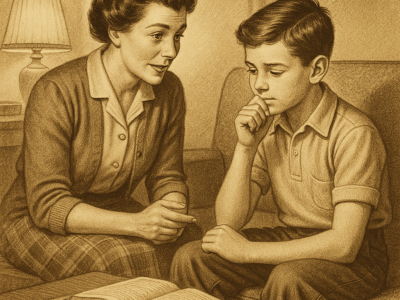
4. Encourage Open Dialogue
Instead of lecturing, ask:
- “What did you think of how they showed vaping in that scene?”
- “Do you think movies make drug use look easier than it is?”
This builds trust and opens space for honest reflection.
How Schools Can Integrate Media Influence Into Prevention
1. Add Media Literacy to Existing Health Curriculum
Students benefit from learning how entertainment shapes attitudes.
2. Provide Prevention Sessions That Address Movie Portrayals
Workshops that blend science and real-world examples counteract common media myths.
3. Partner With Parents
Families should understand the influence of movies and discuss substance-related content openly at home.
Schools can explore prevention training through my Contact Page.
Helping Teens See Beyond the Screen
Movies are powerful, influential, and deeply embedded in youth culture. While they offer entertainment and creativity, they also shape perceptions of risk and normalize behaviors that can harm adolescent health. When adults help teens understand the difference between cinematic exaggeration and real-life consequences, we equip them to make informed, thoughtful choices.
Prevention begins by clarifying what stories show—and what they leave out.