
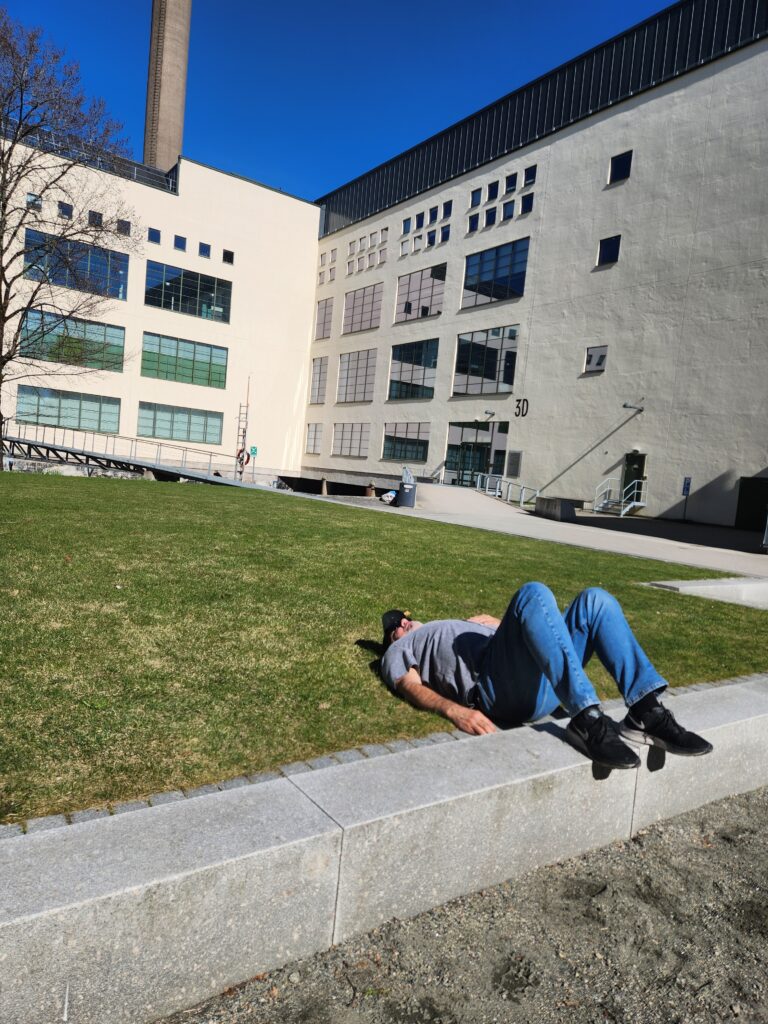
On February 19, 2026, I traveled to Maine to lead an opioid prevention workshop at the Portland Learning Center. Before stepping into the building, I had a few minutes to relax outside and appreciate the crisp winter air. Taking a moment to reset helps prepare for sessions where the topics are serious, and the conversations can be meaningful for students and families.
During the workshop, we focused on how opioids affect the developing brain. Students learned about prescription misuse, counterfeit pills, and the impact fentanyl has had on communities across the country. Many were surprised to discover how easily dangerous substances can be disguised to look like legitimate medications. One student said afterward, “I didn’t know one pill could be that dangerous.” Comments like that show how important it is to bring clarity to a confusing and risky landscape.
We also explored early warning signs and protective factors that help students support each other. Because stress is common among teens, we discussed how healthy coping skills can reduce the likelihood of experimenting with substances. Several parents later shared that this information helped them understand why open communication is essential. They appreciated strategies for discussing tough topics without increasing fear.
To support the session, I shared a national resource from the National Institute on Drug Abuse (NIDA). Their opioid education materials offer clear guidance for youth, families, and educators:
https://nida.nih.gov/drug-topics/opioids
The Portland students showed curiosity, maturity, and a desire to understand how to stay safe. Their school staff also played an important role by reinforcing prevention messages throughout the year.
A fun fact about the region: Portland is home to one of the oldest public school systems in the United States, known for its strong ties to community wellbeing.
To bring this opioid prevention workshop to your school or organization, please visit https://raylozano.com/contact/.